

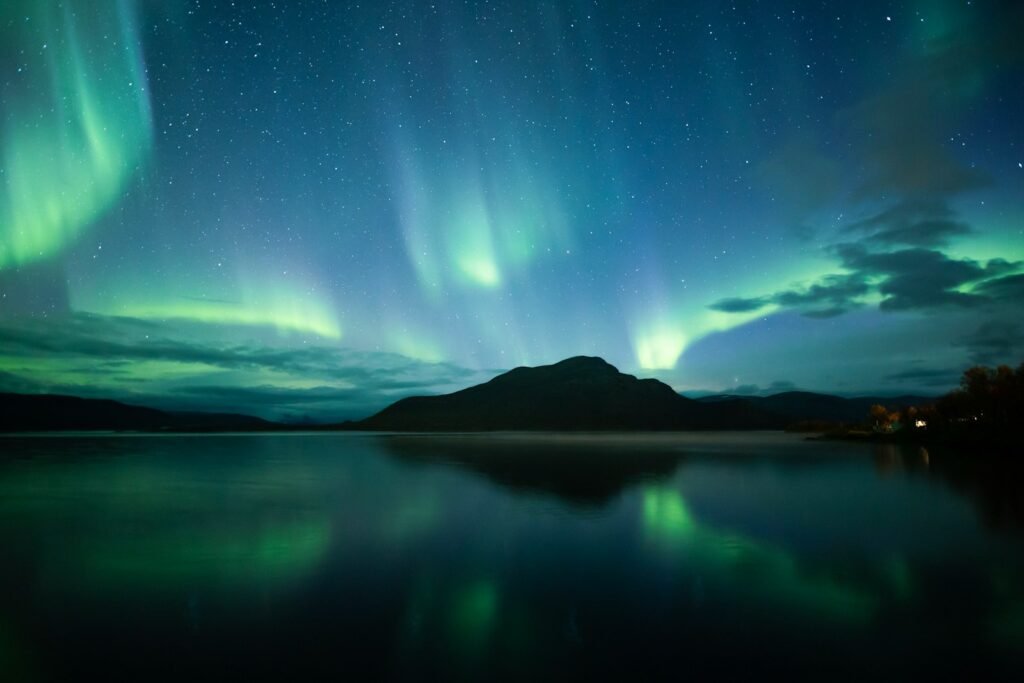
Catching a glimpse of the Northern Lights – that magical, swirling dance of green and purple across the night sky – is a dream for many travelers. But between expensive Arctic tours and luxury lodges, it can feel like that dream comes with a hefty price tag. The good news? You can witness the aurora without breaking the bank. Here’s how:
1. Get to the Arctic Circle
Yes, the Northern Lights can occasionally be seen near the US-Canada border and in northern Scotland, but don’t ever go to these places in the hope of seeing them, it’s so rare. You’re way better off heading straight for the Arctic Circle, where they most often occur around 65º to 70º North latitudes. That means Alaska, northern Canada, Iceland, Lapland (northern Norway, Sweden, and Finland) and northern Russia.
2. Go somewhere remote
Booking a hotel in, say, Reykjavik or any semi-large town specifically to see the Northern Lights is a huge mistake. You want darkness. Lots of it. That doesn’t mean you have to stay in a lonely cabin in the woods because there are a lot of small hotels and guest houses in remote locations in Arctic regions.
3. Check with the Moon
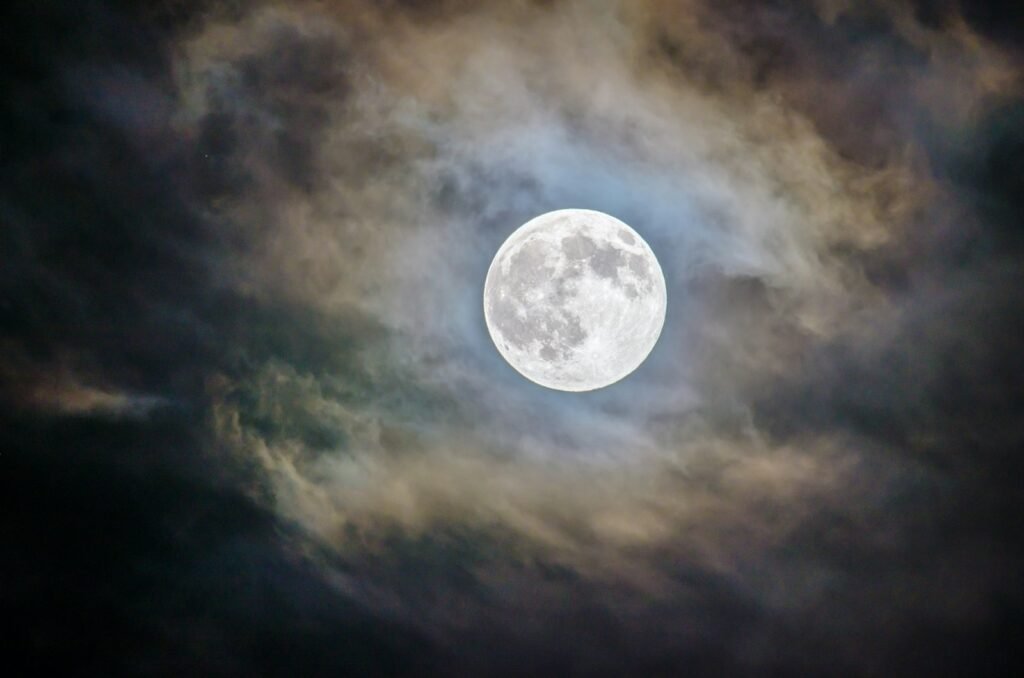
Purists and astrophotographers always go to the aurora zone around New Moon when the night skies are at their darkest. It’s certainly better to plan a trip away from the full Moon (certainly the week before and most of the week after) to avoid a bleached sky, but in practice it doesn’t make too much difference if you’re somewhere remote. In fact, moonlight reflecting off snow and icy lakes is so beautiful … and it makes photographs of the Northern Lights over wintry landscapes very pretty because the foregrounds are automatically lit-up in long exposure photographs.
4. Auroral activity is currently increasing
The Sun is getting more active—and that means more frequent and more intense displays of aurora. The solar cycle, also known as the sunspot cycle, is a roughly 11-year period during which our star waxes and wanes. The intricacies are irrelevant, but know that it’s on the cusp of a powerful “solar maximum” peak in 2024 or 2025. X-class solar flares and coronal mass ejections (CMEs) are becoming more common and cause geomagnetic storms—which in turn means more intense displays of aurora.
5. The season is September through March
This isn’t because of any uptick in activity, but to maximize darkness. In January the days are short and the nights are long, but after the equinox in late March the days quickly overtake the nights. That said, you could quite easily see aurora in mid-to-late August and April, but the wise aurora-hunter goes September through March. There is some evidence that geomagnetic activity increases around the equinoxes in late September and late March when the position of the Earth’s axis relative to the Sun puts it side-on to the solar wind, but there’s no guarantee.
6. Aurora can and do occur at any time of night
If anyone in the aurora zone tells you exactly when to expect aurora, ignore them. It’s so annoyingly common to hear statements like “they come at 8 p.m.” or “we never see them after midnight” from hotel staff and locals. It’s complete trash. All they are saying is that they are asleep after midnight so never see them! Auroras can appear at any time of day or night (we just can’t see them during the day!).
7. Plan other activities, but not sleep
Fancy a cosy cabin in the woods and a pre-dinner display of Northern Lights before an early night? Forget it. Keep your snow boots by the bed, put your alarm clock on each hour and devote yourself entirely to not missing the aurora. The need for clear skies and a geomagnetic disturbance means they can be elusive on any given night or week. Even if it’s clear and active all week—and particularly if it’s cloudy and geomagnetically quiet—you’re going to want other things to do. Dog-sledding is often one option in Arctic areas. So is fell skiing, cross-country skiing, skip doing, snowshoeing and landscape photography.
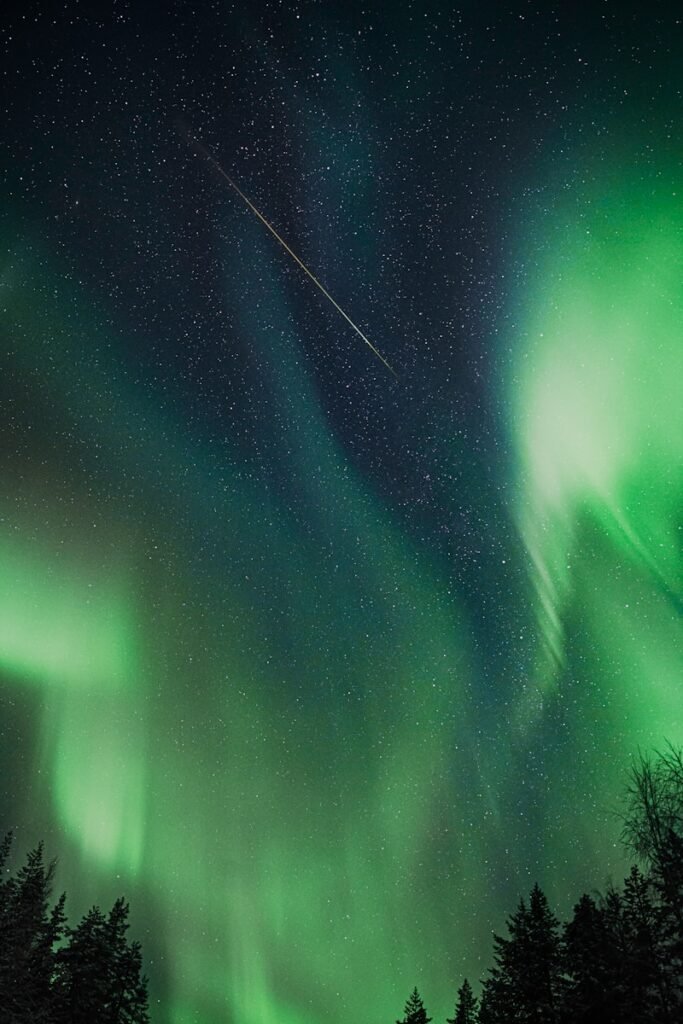
8. Book a wake-up call
Some hotels in the aurora zone do offer aurora wake-up calls, but they hugely vary in quality. Some even give you a smartphone that they promise to send messages to, but most won’t wake you up after midnight. If such a service is on offer, interrogate the receptionist and request to be woken-up at whatever time of night.
9. Skip the Expensive Tours
You don’t need to book a pricey tour to see the lights. All you need is clear skies, darkness, and a bit of patience.
Do this instead:
- Rent a car and drive to a dark, open area away from city lights.
- Use apps like My Aurora Forecast or websites like Aurora Service to track real-time aurora activity.
- Ask locals where they go to watch the lights as they often know the best hidden spots.
10. Pack Smart and Save
Trust me when I say, Aurora destinations are cold—really cold. Renting gear at your destination can be pricey, so bring your own thermal layers, boots, and accessories if possible. It’s a one-time investment that saves a lot over multiple cold-weather trips.
You don’t need a luxury lodge or a thousand-dollar tour to witness the Northern Lights. Some of the most breathtaking aurora views happen while you’re standing in snow boots, sipping a thermos of hot chocolate, in the middle of nowhere with just the stars for company. It’s quiet, real, and unforgettable.
If you’re willing to trade some convenience for adventure, experiencing the Northern Lights on a budget is absolutely doable—and it just might be the best travel story you’ll ever tell.