

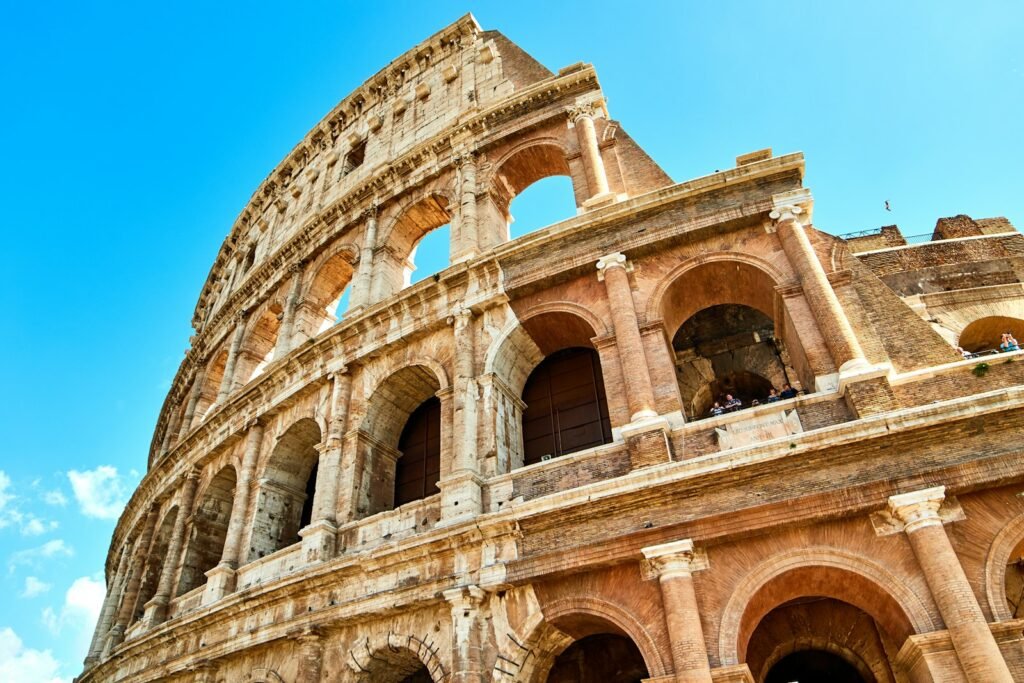
Rome is like a carnival. Rome is one of the most romantic, charismatic, and unforgettable cities in the world. But it is also a very expensive place to visit. So to visit Rome without overextending your budget is an achievement in itself. With a little organizing and a lot of creativity, Rome might be one of the easiest cities in the world to explore and join the party.
How to Find Cheap Flights?

Traveling to/from Fiumicino Airport
You can opt for private transportation. There are various options such as a taxi or a rental car, to/from FCO or you can also use the Leonardo Express train. The Leonardo Express train travels between Fiumicino Airport and Termini Station. It is about a 30-minute journey. One advantage is that Leonardo Express trains depart every 15 minutes. The Leonardo Express train will cost you €14 each way. However, taxi rates may vary so you should expect to spend around €40 to €75, depending on the number of riders, luggage, and distance traveled.
Traveling to/from Ciampino Airport
There are many private transportation systems available but you can also travel between Ciampino Airport and Rome either by bus or by train. In order to travel by a combination of bus and train, you can take a bus from the airport to Ciampino City, then you can take the train in Ciampino to Termini Station. The bus ticket will cost you around €1.20, and the train ticket will cost you around €1.50. In total €2.70 per person each way. Taking a taxi between Ciampino Airport and Rome costs around €35 to €50 but is a faster, more direct option.
What are the Some Ways to Save Money on Food in Rome?

Rome is known for its amazing food, but eating out at touristy spots can quickly add up. Here’s how to enjoy authentic Roman cuisine without spending too much:
1. Eat Where Locals Eat
Avoid the restaurants around major tourist attractions like the Colosseum and Trevi Fountain, where prices are marked up. Instead, eat where usually locals eat like Trastevere or Testaccio for authentic Roman trattorias at a fraction of the cost.
2. Street Food
Try local street food like pizza al taglio (pizza by the slice), suppli (fried rice balls), or a classic panino (sandwich) from one of Rome’s many casual eateries. Street food is delicious and affordable which makes it perfect for a quick meal on the go.
3. Go for Fixed-Price Menus
Many restaurants in Rome offer “menu del giorno” or fixed-price lunch menus, which can be a great deal and typically include a starter, main dish, and sometimes dessert and a drink.
4. Supermarkets and Markets
For breakfast or a light meal, pick up fresh produce, cheese, and bread from local supermarkets or outdoor markets like Campo de’ Fiori or Mercato Trionfale. This can save you money and provide a more authentic way to Roman experience.
5. Avoid Tourist Traps
Steer clear of cafes or restaurants with menus posted outside near major landmarks, as they are often overpriced. Check online reviews to find local spots offering good food at a reasonable price.
What are Some Ways to Cheap and Easy Transportation in Rome?

Rome’s metro system
Rome’s metro system is one of the cheap transportation options. However it is on the smaller side, with only three lines. The reason is pretty simple. It is because the city is almost filled with historical and important archeological remains, which makes it even more challenging to excavate and expand the metro. Although small, the metro is mighty, and many visitors will find it is completely satisfactory to get you to all the city’s biggest attractions.
The three metro lines in Rome include:
- Line A (red/orange): This is one of the most popular lines, especially for tourists. You can get to the Vatican museums, the Sistine Chapel, St. Peter’s Basilica, Trevi Fountain, and the Pantheon from this line.
- Line B (blue): For tourists looking to see the Colosseum and the Roman Forum, you’ll want to familiarize yourself with this metro line.
- Line C (green): Connecting the center of the city to its eastern side, Line C is less useful for tourists and best utilized by locals.
The metro is typically the fastest way to traverse the city, with convenient stops near major attractions.
Buses and trams
Buses are a very important form of transport for reaching areas that are not covered by the metro. It has around 350 bus lines as well as a budget-friendly transportation system in Rome. It is essential to get around the city. Travelers of the city usually tend to use the Urban lines (U), but you may also hop on a Night bus (N) for late-night trips or you can also use the Express (X) bus if you’re taking a day trip outside of Rome.
The city also has six tram lines, though these are less useful for tourists as they don’t typically reach the city center. If you do need to take a tram, you can find the tram map on Rome’s tourism website.
Practical tips for using public transport in Rome

Now you know what to expect when it comes to buying your transportation tickets and navigating the lines. But when it’s time to actually use your tickets and hop on the train, make sure to follow these tips to avoid fines or missing your train or bus.
1. Always validate your ticket
Always validate your ticket when boarding buses or trams. To do so you must insert your bus ticket into the yellow machines on the bus or the machines at the doors of the tram. If you fail to validate the ticket, you could face fines of €50 to €100 — completely defeating all the efforts you put into securing budget-friendly transportation in Rome.
2. Know the metro operating hours:
Sunday-Thursday: 5:30 a.m. to 11:30 p.m.; Friday-Saturday: 5:30 a.m. to 1:30 a.m.
3. Check the bus operating hours:
Between 5 a.m. and 6:30 a.m. to 12 a.m.; night buses run from 12 a.m. to between 5 a.m. and 6:30 a.m.
4. Prepare for transportation strikes:
Strikes are relatively common in Rome. When they happen, they are typically announced in advance, and travelers can find more information on the Wanted In Rome website or official website namely Ministero delle infrastrutture e dei trasporti website
Some trains are still guaranteed to run, and public transportation may still run during rush hours. Still, be prepared to walk or take other transportation; just keep in mind that wait times for taxis and ride-shares could be much longer during strikes.